
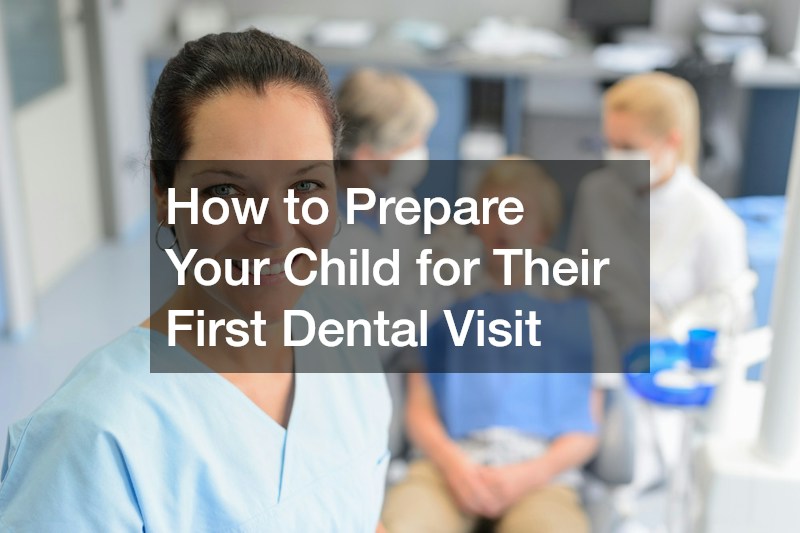

Introducing your child to the pediatric dentist can be a daunting experience, both for you and your child. In this article, we’ll guide you through the essential steps to ensure their first dental visit is a positive and stress-free experience.
We will cover common concerns and provide helpful tips to prepare you and your child for this important milestone.
Why Is It Important to Prepare Your Child for Their First Dental Visit?
Understanding the Importance of Early Dental Care
Starting dental care at an early age is crucial for your child’s oral health. It sets the foundation for a lifetime of good dental habits and prevents potential dental issues. Regular dental check-ups help in detecting problems early and promote overall health.
A consistent dental routine helps instill a sense of responsibility in children regarding their health. Encouraging daily brushing and flossing from a young age ensures they develop healthy habits. Moreover, this regularity creates a seamless transition into dental visits, making them a natural part of life.
Early dental visits educate both parents and children about the significance of dental hygiene. They learn about the impact of diet and oral habits on teeth. With professional guidance, parents can better support their child’s dental journey at home.
Building a Positive Attitude Towards Dental Visits
Fostering a positive attitude towards dental visits helps reduce fear and anxiety. Early positive experiences shape how children perceive dental care throughout their lives. A child who looks forward to dental appointments is more likely to maintain their oral health.
Fun and engaging experiences at the dentist encourage children to participate in their dental care. Dentists using playful tools and child-friendly language can make appointments enjoyable. This positive environment contributes to a healthy relationship with dental care.
Introducing educational stories or games about dental visits can further enhance this positive attitude. Children relate better to familiar, entertaining content presented in a non-threatening way. Reinforcing these positive experiences at home solidifies their comfort and confidence.
How Can You Discuss the Dentist with Your Child?
Using Age-Appropriate Language
When discussing dental visits, use simple and friendly language suitable for your child’s age. Younger children need reassurance and familiarity, so phrases like “tooth doctor” can be helpful. The goal is to demystify dental visits and make them sound exciting and normal.
Discussing dental care through stories and visual aids can be effective with kids. Books or cartoons about dental visits help convey the experience in a relatable manner. These tools help build anticipation and curiosity, reducing potential fear.
To reinforce understanding, engage children in discussions about their feelings regarding the dentist. This encourages them to express concerns and ask questions freely. Addressing their queries helps mitigate anxiety and prepares them for what to expect.
Answering Common Child Questions
Children often have many questions about what happens during a dental visit. Common queries include “Will it hurt?” or “What will the dentist do?” It’s vital to answer these concerns honestly and reassuringly to build trust.
Describe the dental environment in comforting terms to alleviate fear. Explain that the dentist is there to check their teeth and ensure they are healthy. Use analogies they understand, such as comparing dental tools to superhero gadgets that protect their teeth.
Transparency encourages children to approach dental visits with confidence. Reassure them that dentists are friendly helpers who want to keep their smiles bright. Emphasizing the fun aspects, like getting a toy or sticker, can also increase excitement.
What Should You Expect During the First Dental Visit?
Overview of a Typical First Dental Appointment
The first dental visit is usually short and designed to introduce the child to the dental environment. Normally, the dentist will examine the child’s teeth and may perform a gentle cleaning. This first visit sets the tone for future dental appointments.
Explaining the process in advance can minimize surprises and prepare the child for each step. Encouraging them to observe other children in the waiting area can also help alleviate anxiety. Familiarity with the setting and procedures contributes to a relaxed atmosphere.
Parents are often allowed to accompany their child during the first visit, providing comfort. Dentists might explain procedures and tools in a friendly manner to the child. This transparency helps demystify the process, turning it into an educational experience.
Preparing for Possible Outcomes
While most first visits are straightforward, it’s wise to prepare for various outcomes. If any dental issues are detected, the dentist will discuss treatment options. It’s important to be ready for this dialogue and to explain it to the child in terms they can understand.
In some cases, a child might be fearful or anxious despite your best efforts. Being patient and comforting can help in these scenarios. Showing empathy and celebrating their bravery fosters a supportive environment, encouraging better responses in future visits.
contingency plans such as rescheduling or seeking a second opinion may be necessary for more serious concerns. Discussing these steps with the child reassures them of parental support. A proactive approach ensures manageable outcomes and continued positive dental experiences.
Preparing your child for their first dental visit is an essential step in promoting lifelong dental health and positive attitudes towards dental care. By following the outlined steps and answering questions proactively, you can turn their first visit into a beneficial experience. With the right preparation, your child can feel comfortable and even excited about visiting the dentist regularly.