

Most people view oral health as a twice-a-year event—something addressed during a professional cleaning and examination every six months. However, what happens in the dental chair represents only a tiny fraction of your overall oral hygiene journey. The true foundation of a healthy, lifelong smile is constructed at home, through the small, consistent decisions you make every single day.
Despite good intentions, many individuals fall into routine habits that quietly erode their tooth enamel, irritate their gum tissue, and foster acid-producing bacterial colonies. From aggressive brushing techniques to misaligned dietary timing, daily oversights can gradually lead to cavities, gum recession, persistent bad breath, and expensive restorative procedures down the road.
Understanding the mechanics of oral health allows you to transition from reactive treatment to proactive prevention. This comprehensive guide outlines the essential daily habits, mechanical techniques, dietary strategies, and lifestyle adjustments that dental professionals wish every patient followed—helping you protect your enamel, preserve your gums, and maintain a bright, healthy smile for decades to come.
Master Mechanical Cleaning and Interdental Hygiene
Brushing your teeth seems simple enough, but doing it effectively requires understanding basic physics and microbiology. Plaque is a sticky, invisible biofilm of bacteria that constantly adheres to tooth surfaces. If allowed to sit undisturbed, plaque feeds on dietary sugars, producing harmful acids that dissolve enamel and trigger inflammatory gum responses.
Perfecting Brushing Timing, Pressure, and Soft-Bristle Techniques
When it comes to brushing, more force does not equal cleaner teeth. In fact, aggressive brushing with hard-bristled toothbrushes is one of the leading causes of non-bacterial tooth damage.
- Embrace Soft-Bristled Brushes: Always opt for soft or ultra-soft bristles. Hard bristles act like sandpaper, gradually wearing away thin enamel at the gumline and causing painful root exposure.
- The 45-Degree Angle Technique: Angle your toothbrush bristles at 45 degrees toward the gumline. Gently vibrate or sweep the brush in small circular motions rather than scrubbing back and forth horizontally.
- Spit, Don’t Rinse: After brushing for a full two minutes, spit out the excess toothpaste foam, but avoid rinsing your mouth with water immediately. Leaving a thin layer of residual toothpaste on your teeth gives active ingredients like fluoride or hydroxyapatite more time to strengthen enamel.
Cleaning Interdental Spaces and Contact Points Daily
A standard toothbrush, no matter how advanced, can only reach about 60% of your tooth surfaces. The remaining 40% consists of the tight contact zones between adjacent teeth, where food particles and plaque accumulate freely.
- Disrupting Interproximal Biofilm: Cleaning between your teeth daily with traditional string floss, interdental brushes, or water flossers is essential for preventing interproximal cavities and localized gingivitis.
- Consulting Your Primary Care Professional: Partnering with an experienced, licensed dentist allows you to receive personalized advice on the exact interdental tools best suited for your specific tooth spacing, bridge work, or orthodontic appliances.
- Scheduling Routine Professional Preventive Checks: Visiting modern, fully equipped dentist offices every six months complements your home routine, allowing hygienists to remove calcified tartar that cannot be brushed away at home.
Manage Dietary Acid, Salivary Flow, and Emergency Protocols
While mechanical cleaning removes accumulated plaque, your daily diet directly dictates how aggressively that plaque produces acid. Managing what, when, and how you consume foods and beverages plays a massive role in maintaining enamel integrity.
Timing Meal Cycles and Managing Acidic Food Exposure
Every time you eat or drink anything other than plain water, the bacteria in your mouth produce acid, dropping your oral pH below the critical threshold of 5.5—the point at which tooth enamel begins to dissolve.
- The Danger of Constant Snacking: Grazing on food or sipping sweetened coffee throughout the day keeps your mouth in a continuous state of acid exposure, giving your saliva no time to neutralize the environment.
- The 30-Minute Post-Acid Rule: Never brush your teeth immediately after consuming acidic foods or drinks like citrus fruits, wine, or soda. Acid temporarily softens enamel; brushing immediately active scrubs away that weakened surface. Wait 30 minutes for saliva to remineralize the teeth before brushing.
- Stimulating Salivary Flow: Saliva is your mouth’s natural defense mechanism. It washes away food debris, buffers bacterial acids, and delivers essential calcium and phosphate ions back to enamel. Chew sugar-free gum containing 100% xylitol after meals to stimulate healthy salivary production.
Responding Swiftly to Dental Trauma and Sudden Pain
Even with immaculate daily hygiene, accidental physical trauma, biting down on a hidden pit, or sudden structural failure can occur. Knowing how to handle these situations prevents long-term complications.
- Recognizing Early Warning Indicators: Persistent sensitivity to temperature, sharp pain when chewing, bleeding gums, or visible cracks should never be ignored. Early intervention stops small issues from becoming major structural failures.
- Utilizing Comprehensive Clinical Solutions: Seeking timely treatment through a professional, accredited dental service ensures that damaged enamel or infected tissue is restored using modern, biocompatible materials.
- Managing Sudden Physical Emergencies: In the event of a cracked tooth, severe swelling, or an avulsed tooth, securing an urgent dental emergency consultation within the first hour dramatically increases the chances of saving the natural tooth structure.
Protect Teeth from Mechanical Wear, Nighttime Risks, and Habits
Your teeth are designed for chewing food, not for serving as an extra set of household tools. Unconscious habits and nighttime stress can inflict severe mechanical wear on your smile over time.
Eliminating Non-Nutritive Biting and Parafunctional Stress
Using your teeth to tear open plastic packaging, crunch on ice cubes, hold pens, or bite fingernails introduces extreme, off-axis forces that chip enamel, fracture porcelain crowns, and strain the temporomandibular joint (TMJ).
- Avoid Using Teeth as Tools: Keep scissors and opening tools handy so you are never tempted to use your front teeth to cut tape or open bags.
- Addressing Nocturnal Bruxism: Clenching or grinding your teeth during sleep (bruxism) exerts hundreds of pounds of pressure on your jaw, flattening cusps and causing micro-fractures. If you wake up with jaw soreness or headaches, ask about a custom nightguard.
- Protecting Smiles on Moving Operations: Engaging in high-speed sports, contact activities, or riding on two wheels requires wearing a custom-fitted athletic mouthguard to cushion impacts and prevent traumatic tooth loss.
Managing Nighttime Routines and Family Care Schedules
Nighttime is the most dangerous window for tooth decay. As you sleep, your salivary flow drops significantly, leaving your teeth without their natural protective buffer against bacterial activity.
- The Non-Negotiable Bedtime Brush: Brushing and flossing before sleep is the single most critical hygiene habit of the day. Going to bed with food particles or plaque on your teeth allows bacteria to multiply unchecked for hours.
- Establishing Morning and Evening Routines for Children: Parents should supervise brushing for young children until around age seven or eight, ensuring proper technique before sending them off to morning daycares or school environments.
- Integrating Preventive Habits into Family Routines: Building structured oral hygiene habits early helps children develop lifelong routines, ensuring that daily home care remains consistent alongside busy schedules and professional childcare commitments.
Address Systemic Health, Lifestyle Factors, and Equipment Safety
Oral health does not exist in isolation—it is intimately connected to your body’s overall systemic wellness, immune function, and daily environmental exposures.
Understanding Pain Management Safety and Systemic Wellness
Chronic oral inflammation, such as periodontitis, allows oral bacteria to enter the bloodstream, contributing to systemic conditions like cardiovascular disease, diabetes complications, and systemic inflammation.
- Managing Post-Procedure Discomfort Safely: Following minor dental procedures, managing temporary discomfort should prioritize safe, non-steroidal anti-inflammatory medications as directed by your healthcare provider.
- Supporting Comprehensive Recovery Programs: For individuals undergoing specialized recovery or structured opioid treatment programs, dental professionals utilize tailored, non-narcotic pain protocols to ensure safe and comfortable care.
- Communicating Medical History Openly: Always inform your care team about active medications, systemic health conditions, or lifestyle changes, as these factors directly influence salivary flow and tissue healing rates.
Maintaining Home Oral Care Tools and Industrial Equipment Standards
The tools you use to clean your mouth require care, hygienic storage, and timely replacement to remain effective and safe.
- Replacing Brush Heads Regularly: Replace your toothbrush or electric brush head every three months, or sooner if the bristles become frayed or splayed. Frayed bristles lose their ability to clean effectively and can scratch delicate gum tissue.
- Advanced Visual Diagnostics: Modern clinical practices utilize high-speed digital imaging and specialized lighting setups with a fast camera shutter to capture crystal-clear intraoral photographs for accurate diagnosis and patient education.
- Ensuring Sterilization and Equipment Standards: Professional clinical facilities maintain rigorous infection control by partnering with certified equipment rental and medical technology services to ensure all diagnostic and surgical tools are sterile and calibrated.
Daily Oral Hygiene Execution & Consistency Matrix
Establishing an effective daily oral health routine requires combining the right techniques at the right times. Use this structured daily reference framework to optimize your home care habits.
Recommended Daily Dental Routine Framework
- Morning Routine (Post-Breakfast)
- Core Action: 2-minute gentle brush using a soft-bristled brush and fluoride toothpaste, followed by tongue scraping.
- Key Technique: Hold bristles at a 45-degree angle toward the gumline; spit out foam but do not rinse with water.
- Primary Benefit: Removes overnight bacterial buildup, freshens breath, and leaves a protective mineral shield over enamel.
- Mid-Day Routine (Post-Lunch / Snacks)
- Core Action: Swish vigorously with plain water or chew sugar-free xylitol gum for 10 to 15 minutes.
- Key Technique: Avoid brushing immediately if you consumed acidic food or beverages; wait at least 30 minutes.
- Primary Benefit: Clears loose food debris, stimulates protective salivary flow, and neutralizes dietary acids quickly.
- Evening Routine (Immediately Before Bed)
- Core Action: Interdental cleaning (floss, interdental brush, or water flosser) followed by a 2-minute thorough brush.
- Key Technique: Clean interdental spaces first to loosen trapped plaque, allowing toothpaste fluoride to reach between teeth.
- Primary Benefit: Prevents overnight bacterial proliferation during periods of reduced salivary flow while sleeping.
- Weekly & Seasonal Maintenance
- Core Action: Inspect toothbrush bristles for wear, sanitize storage holders, and replace brush heads every 90 days.
- Key Technique: Store toothbrushes upright in open air to dry completely; avoid closed plastic covers that harbor bacteria.
- Primary Benefit: Ensures mechanical cleaning efficiency remains high and prevents bacterial re-inoculation.
Overcoming Common Daily Oral Hygiene Mistakes
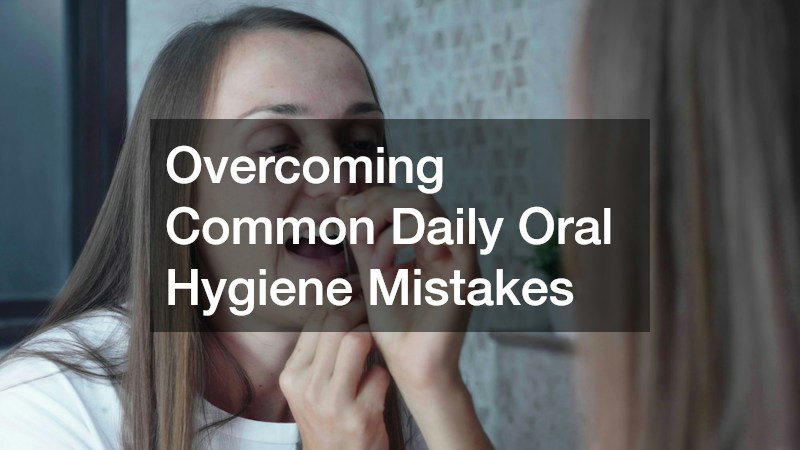
Even individuals who brush and floss daily often commit minor errors that reduce the effectiveness of their routine. Addressing these common misconceptions ensures you get the maximum protective benefit from your efforts.
1. Brushing Too Fast or Skipping Timer Discipline
The average person brushes for only 45 to 60 seconds, which is insufficient time to systematically clean all surfaces of twenty-eight to thirty-two teeth. Divide your mouth into four quadrants (upper right, upper left, lower left, lower right) and spend a full, uninterrupted 30 seconds on each quadrant. Using an electric toothbrush with a built-in 2-minute quadrant timer is one of the easiest ways to build discipline.
2. Ignoring the Tongue and Soft Tissues
Bacterial plaque does not accumulate exclusively on hard enamel—it covers the textured surface of your tongue, inner cheeks, and palate. The dorsum of the tongue harbors millions of odor-producing anaerobic bacteria that contribute to halitosis and plaque re-colonization. Use a dedicated plastic tongue scraper or soft brush to gently scrape your tongue from back to front every morning.
3. Relying on Mouthwash as a Substitute for Flossing
Therapeutic mouthwashes can help reduce bacterial loads and freshen breath, but they cannot physically disrupt the sticky biofilm that binds tightly between teeth. Swishing with liquid mouthwash without flossing is like running a car through a rainstorm without scrubbing the mud off—it touches the surface but leaves the stubborn buildup behind. Always perform mechanical interdental cleaning before rinsing.
Achieving and maintaining a healthy, radiant smile does not require complex procedures or overwhelming routines—it simply requires consistency, correct technique, and a basic understanding of preventive care.
By mastering gentle brushing angles, cleaning between your teeth daily, managing dietary acid timing, protecting against mechanical wear, and keeping regular preventive appointments, you take full control of your long-term oral health.
Your smile is designed to last a lifetime. Committing to these essential daily habits today protects your enamel, preserves your gums, and ensures you enjoy the confidence of a healthy, beautiful smile for years to come.