

Key Takeaways
- Choosing soft, gentle foods after a dental cleaning can help reduce temporary tooth and gum sensitivity.
- Avoid very hot, cold, sticky, hard, acidic, and sugary foods until your mouth feels comfortable.
- Drinking plenty of water helps rinse away food particles, supports saliva production, and promotes a healthy mouth.
- If you receive a fluoride treatment, follow your dental provider’s instructions before eating or drinking.
- Good daily habits like brushing, flossing, and eating a balanced diet help maintain the benefits of professional cleanings.
- Mild sensitivity is common after a cleaning, but severe pain, prolonged bleeding, or swelling should be evaluated by a dental professional.
- Consistent preventive care supports healthier teeth and gums over the long term.
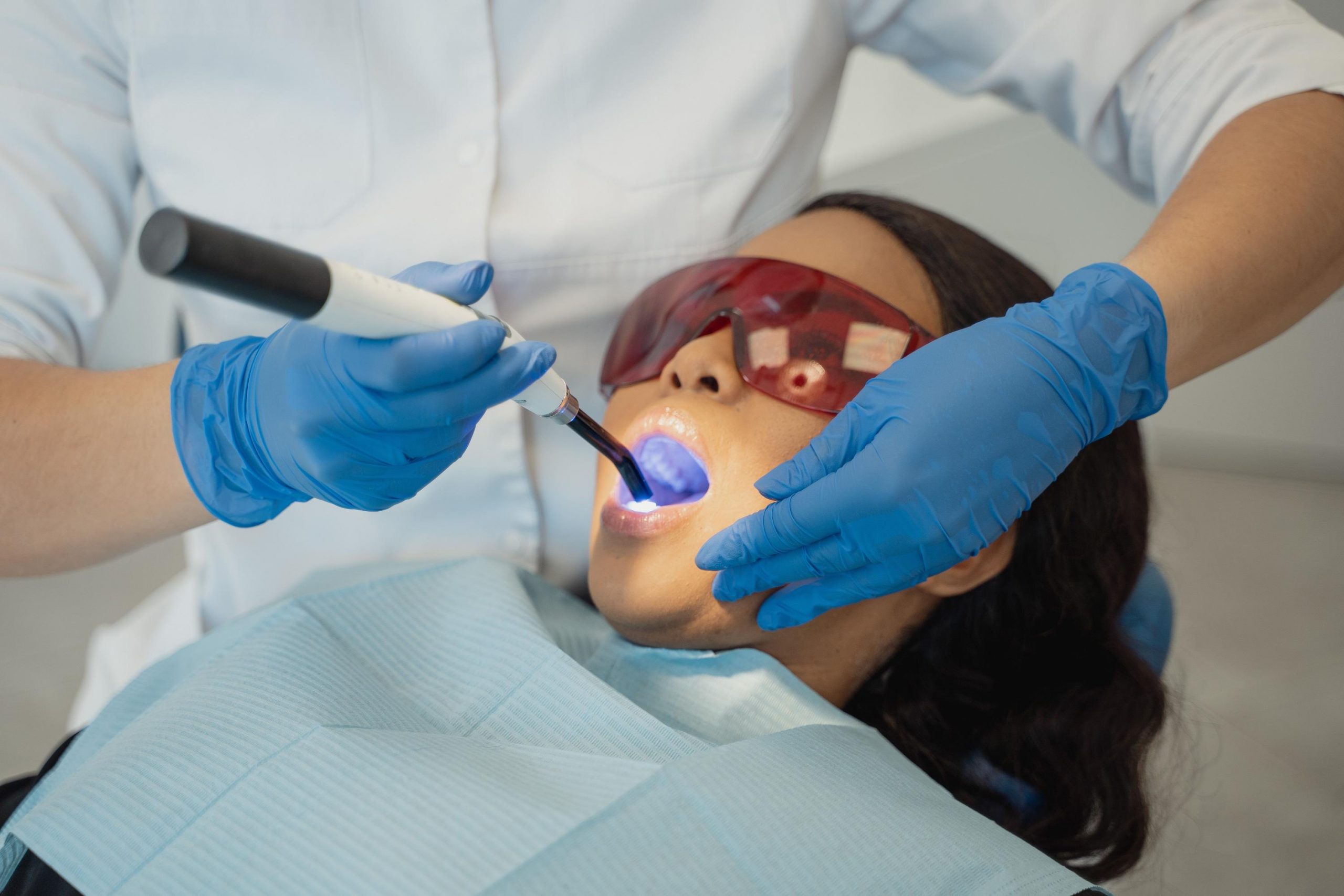
A professional teeth cleaning is one of the simplest and most effective ways to keep your smile healthy. During a dental cleaning, your dentist or dental hygienist removes plaque, tartar, and surface stains that regular brushing and flossing cannot fully eliminate. The result is a cleaner mouth, fresher breath, and healthier gums.
After your appointment, however, your teeth and gums may be a little more sensitive than usual. Depending on the type of cleaning you received, your dentist may recommend avoiding certain foods and drinks for a short period of time. Making smart food choices after a cleaning can help reduce discomfort, protect your teeth, and support the benefits of your dental visit.
If you’re wondering what not to eat after a teeth cleaning, this guide explains which foods to avoid, why they can be problematic, and what you should eat instead.
Why Your Mouth May Feel Sensitive
After plaque and tartar are removed, your teeth may feel smoother but also slightly more sensitive. This is especially true if you had a deep cleaning or if there was inflammation around your gums before the procedure.
The cleaning process may expose areas of your teeth that were previously covered by tartar. Your gums may also be tender if they were irritated during the cleaning.
Most sensitivity is temporary and improves within a day or two.
During this time, choosing gentle foods can help your mouth recover more comfortably.
Foods to Avoid After Teeth Cleaning
While you don’t have to follow a strict diet after every dental cleaning, avoiding certain foods for several hours—or as recommended by your dental professional—can help minimize discomfort and protect your teeth.
1. Very Hot Foods and Drinks

Hot coffee, tea, soup, and other steaming foods may increase discomfort if your teeth are sensitive.
Heat can irritate exposed areas and make temporary sensitivity feel worse.
If your mouth still feels tender, choose foods and beverages that are warm or cool instead of extremely hot.
Examples include:
- Hot coffee
- Hot tea
- Boiling soup
- Freshly cooked oatmeal
Allow hot foods to cool slightly before eating.
2. Extremely Cold Foods
Very cold foods can also trigger temporary tooth sensitivity.
Ice cream, frozen drinks, and ice cubes may cause sharp discomfort for some people after a cleaning.
If you experience sensitivity, wait until your mouth feels normal before enjoying very cold treats.
Examples include:
- Ice cream
- Frozen yogurt
- Slush drinks
- Ice water
Room-temperature beverages may feel more comfortable during recovery.
3. Sticky Foods
Sticky foods tend to cling to teeth and may be difficult to remove completely.
They can also place additional stress on tender gums.
Examples include:
- Caramel
- Taffy
- Chewy candy
- Dried fruit
- Gummies
Waiting until your gums feel better makes these foods easier to enjoy without unnecessary discomfort.
4. Hard Crunchy Foods
Crunchy foods can irritate sensitive gums after a cleaning.
Hard foods may also place pressure on teeth that feel temporarily sensitive.
Consider postponing foods such as:
- Hard pretzels
- Popcorn
- Ice
- Hard candy
- Nuts
Choosing softer alternatives gives your gums time to recover.
5. Acidic Foods
Acidic foods may increase sensitivity by irritating exposed tooth surfaces.
Although many acidic foods are healthy, waiting several hours before eating them may improve comfort.
Examples include:
- Oranges
- Lemons
- Grapefruit
- Tomatoes
- Vinegar-based foods
You can gradually reintroduce these foods as sensitivity decreases.
6. Sugary Snacks
A professional cleaning removes plaque, but it doesn’t eliminate the need for healthy eating habits.
Large amounts of sugar feed bacteria that naturally live in your mouth. These bacteria produce acids that contribute to tooth decay.
Limiting sugary snacks after your appointment helps support your long-term oral health.
Foods to limit include:
- Candy
- Cookies
- Soda
- Sweet pastries
- Sugary cereals
Choosing healthier snacks benefits both your teeth and overall health.
7. Dark-Colored Drinks
If your teeth were polished during the cleaning, they may be slightly more likely to pick up surface stains immediately afterward.
Dark-colored beverages can contribute to staining over time.
Examples include:
- Coffee
- Black tea
- Red wine
- Cola
- Dark fruit juices
If you do drink these beverages, using a straw when appropriate and rinsing your mouth with water afterward may help reduce staining.
What to Eat Instead
Fortunately, there are plenty of foods that feel comfortable after a dental cleaning while supporting good oral health.
Soft foods are often the best choice if your mouth feels sensitive.
Good options include:
- Yogurt
- Scrambled eggs
- Mashed potatoes
- Oatmeal
- Bananas
- Applesauce
- Cottage cheese
- Smooth soups
- Avocado
- Soft pasta
These foods are gentle on your teeth and gums while providing important nutrients.
Drink Plenty of Water
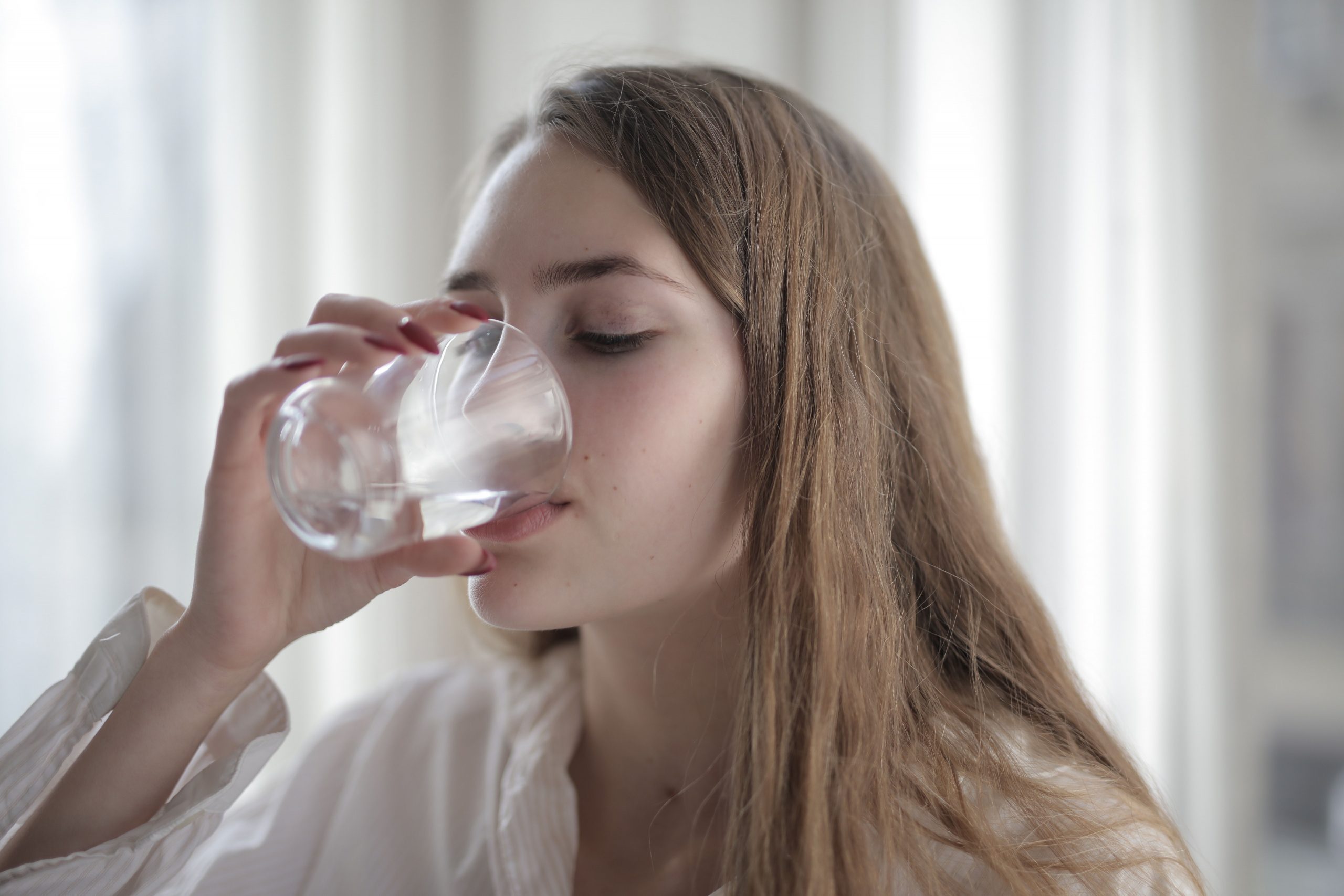
Water is one of the best beverages after a dental cleaning.
It helps:
- Rinse away food particles
- Wash away bacteria
- Keep your mouth hydrated
- Support saliva production
Saliva plays an important role in protecting teeth by helping neutralize acids and washing away debris.
Drinking water throughout the day supports overall oral health.
If You Received Fluoride Treatment
Many dental appointments include a fluoride treatment.
Fluoride helps strengthen tooth enamel and reduce the risk of cavities.
If fluoride was applied, your dental office may recommend avoiding eating or drinking for about 30 minutes.
Following these instructions allows the fluoride enough time to work effectively.
Always follow your dental provider’s specific recommendations, as products may differ.
Deep Cleaning vs. Routine Cleaning
Not all dental cleanings are the same.
A routine cleaning focuses on removing plaque and tartar above the gumline.
A deep cleaning, sometimes called scaling and root planing, treats gum disease by cleaning below the gumline.
Because deep cleanings involve more extensive treatment, recovery may take longer.
People who undergo deep cleaning often experience:
- Increased gum tenderness
- Mild bleeding
- Temporary tooth sensitivity
- Slight swelling
Your dentist may provide additional aftercare instructions if you receive this type of treatment.
How Long Should You Avoid Certain Foods?
For many people, avoiding problematic foods for just a few hours is enough.
If your mouth remains sensitive, continue choosing softer foods until you feel comfortable eating normally.
Recovery time depends on several factors, including:
- Your overall oral health
- The amount of tartar removed
- Whether you had a deep cleaning
- Existing gum inflammation
- Individual sensitivity
Most people return to their regular diet within 24 hours.
Caring for Your Teeth After Cleaning
A professional cleaning provides an excellent fresh start.
Maintaining good oral hygiene afterward helps preserve those results.
Continue:
- Brushing twice daily
- Flossing once daily
- Drinking water regularly
- Limiting sugary foods
- Visiting your dentist regularly
Consistent home care prevents plaque from building up again.
Signs You Should Contact Your Dentist
Mild discomfort after a cleaning is normal.
However, contact your dental office if you experience:
- Severe pain
- Heavy bleeding
- Swelling that worsens
- Fever
- Persistent sensitivity lasting several days
- Signs of infection
Although complications are uncommon, it is always best to ask your dental provider if something doesn’t feel right.
Nutrition and Healthy Teeth
The foods you eat every day influence your oral health.
A balanced diet supports strong teeth and healthy gums.
Foods rich in calcium help maintain strong teeth.
Vitamin D supports calcium absorption.
Crunchy fruits and vegetables help stimulate saliva production.
Healthy choices include:
- Milk
- Cheese
- Yogurt
- Leafy greens
- Fish
- Nuts
- Fresh vegetables
Limiting added sugar remains one of the best ways to reduce cavity risk.
Healthy Habits Beyond Your Cleaning
Professional cleanings are only one part of maintaining a healthy smile.
Daily habits make the biggest difference over time.
Many families benefit from learning oral hygiene tips for every age, since brushing techniques, flossing habits, fluoride use, and dental care recommendations can vary from young children to older adults. Establishing healthy routines early and maintaining them throughout life helps protect teeth and gums at every stage.
Building consistent habits today can lead to healthier smiles for years to come.
Frequently Asked Questions
Can I eat immediately after a teeth cleaning?
If you did not receive fluoride treatment and your mouth feels comfortable, you may be able to eat shortly after your appointment. Choose softer foods if your gums are tender.
Why do my teeth feel sensitive afterward?
Removing plaque and tartar may temporarily expose areas of your teeth that were previously covered. This sensitivity usually improves within a day or two.
Can I drink coffee after my appointment?
If possible, wait until any fluoride treatment recommendations have passed. If your teeth feel sensitive, allow coffee to cool before drinking.
Is bleeding normal?
Minor bleeding from the gums may occur, especially if you had inflammation before the cleaning. Heavy or prolonged bleeding should be reported to your dental office.
Final Thoughts
A professional teeth cleaning is an important step toward maintaining healthy teeth and gums, but what you do afterward also matters. Choosing gentle foods, drinking plenty of water, and avoiding very hot, cold, sticky, hard, acidic, or sugary items for a short time can help reduce sensitivity and protect your mouth while it recovers.
Most people can return to their normal diet within a day, but everyone’s recovery is slightly different. Listening to your body and following your dentist’s recommendations can make the experience more comfortable.
Remember that professional cleanings work best when combined with daily brushing, flossing, healthy eating habits, and regular dental visits. By making smart food choices after your appointment and maintaining good oral care throughout the year, you can enjoy a healthier smile that lasts well beyond your next dental cleaning.