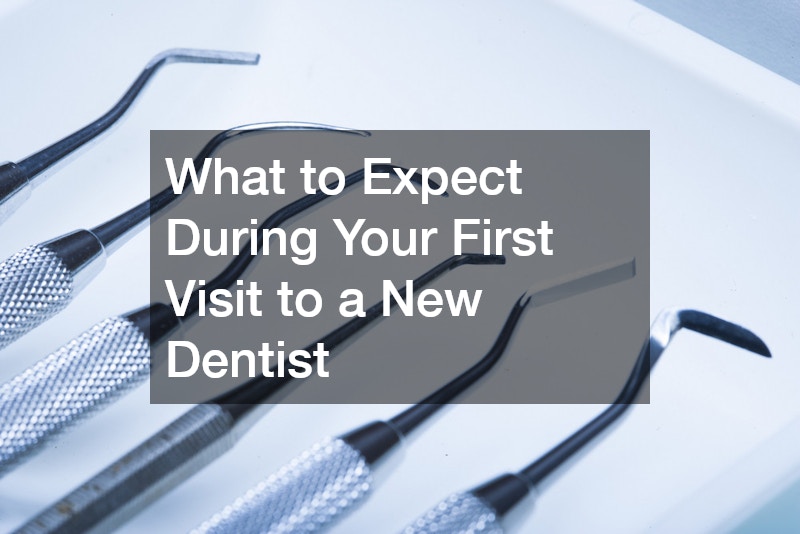

Walking into a brand-new dental office can feel a bit intimidating, whether you have moved to a new neighborhood, changed insurance plans, or simply decided it was time to prioritize your oral health again. It is completely natural to feel a mix of curiosity and slight hesitation about what lies ahead. Understanding how the process works from the moment you step through the door helps remove the element of surprise and sets you up for a smooth, stress-free appointment.
Preparing for Your Initial Appointment
A successful appointment starts long before you sit back in the chair. Preparation helps streamline the intake process and ensures that the clinical team has every piece of information required to tailor your care safely and effectively.
What to Bring With You
Before leaving home, gather your government-issued photo identification, your active dental insurance card, and a comprehensive list of any prescription medications, over-the-counter supplements, or herbal remedies you take regularly. If you have had recent dental X-rays taken at a previous clinic, contact that office ahead of time to request a record transfer. Having those existing images forwarded electronically saves time and prevents unnecessary radiation exposure.
Reviewing Your Health History
When you arrive, the front office team will ask you to complete medical and dental health forms. These questionnaires cover far more than just your teeth; they dive into cardiovascular conditions, allergies, past surgeries, and bleeding tendencies. Certain health conditions and medications directly influence how dental procedures are performed, which local anesthetics are safe to use, and whether prophylactic antibiotics are necessary prior to treatment.
The Comprehensive Oral Examination
Once your paperwork is complete, a dental assistant or hygienist will escort you to the treatment room. This portion of the visit focuses entirely on gathering information about the current state of your teeth, gums, and surrounding jaw structures.
Diagnostics and Imaging
Modern dental diagnostics rely heavily on advanced imaging technology. Digital X-rays allow the clinical team to spot issues undetectable to the naked eye, such as decay forming between teeth, infections around root tips, and bone loss beneath the gumline. Depending on your needs, the team might also capture intraoral photos using a tiny handheld camera. Seeing clear, high-resolution photos of your own teeth makes it much easier to understand any recommended treatments.
Evaluating Gums and Soft Tissues
Healthy teeth require a strong foundation. The provider will perform a periodontal evaluation to check the health of your supporting tissues. Using a specialized instrument known as a periodontal probe, they measure the depth of the space between your teeth and gums. Depths measuring one to three millimeters generally indicate healthy gum tissue, while deeper measurements can point to inflammation, gingivitis, or early-stage gum disease. An oral cancer screening is also performed, during which the clinician gently checks your tongue, cheeks, floor of the mouth, throat, and neck area for any unusual spots or swelling.
Cleaning and Maintenance
If your gum health permits and no immediate acute concerns are present, a professional cleaning will typically take place during this primary appointment.
Plaque and Tartar Removal
Even meticulous home brushing and flossing cannot remove hardened mineral deposits known as calculus or tartar. A skilled hygienist uses specialized hand instruments or ultrasonic devices to gently clear these stubborn deposits from the surfaces of your teeth and beneath the gumline. Ultrasonic tools utilize high-frequency vibrations combined with water mist to wash away debris swiftly and comfortably.
Polishing and Fluoride
Following tartar removal, the hygienist polishes your teeth using a mildly abrasive paste. This step eliminates superficial surface stains caused by coffee, tea, or everyday foods, leaving your enamel feeling sleek and clean. Depending on your specific risk for tooth decay, a professional fluoride treatment may be applied as a final step to reinforce enamel strength and guard against future cavities.
Discussing Findings and Planning Ahead
The final portion of your visit is all about open communication, education, and long-term strategy.
Reviewing Your Custom Care Plan
Your dentist will walk you through the diagnostic findings, pointing out areas of strength alongside any spots that need attention. If issues like cavities, broken restorations, or gum inflammation are discovered, the clinician will outline a clear, prioritized care plan. You will discuss treatment options, expected timelines, and potential financial considerations, empowering you to make informed decisions regarding your healthcare. Asking questions during this final phase helps you feel fully confident in your care. You can inquire about home maintenance tools like electric toothbrushes or water flossers that fit your lifestyle. Establishing open communication with your clinical team builds a strong foundation for a lifetime of healthy, beautiful smiles.
Establishing Long-Term Oral Health Habits
Prevention remains the cornerstone of long-term dental health. Before you head back to the reception area, the team will offer personalized advice on brushing techniques, flossing strategies, and daily oral care products suited to your unique mouth chemistry. Setting up your next routine checkup before leaving ensures your smile stays healthy, bright, and strong for years to come.