
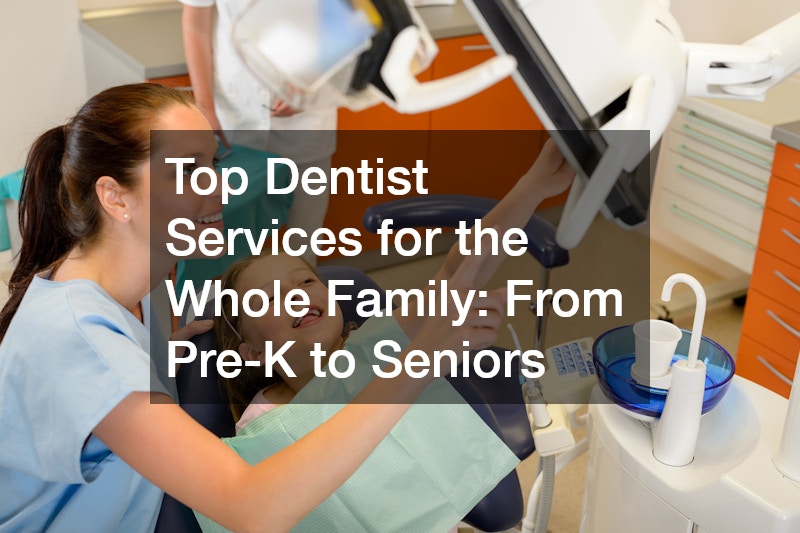

Top Dentist Services for the Whole Family: From Pre-K to Seniors
A healthy smile is more than just a cosmetic asset—it’s a vital part of overall well-being. From children experiencing their first dental visits to seniors managing age-related oral health challenges, dental care is an essential part of every stage of life. Yet, many families struggle to find practical guidance on how to maintain consistent oral health across multiple age groups.
Dental habits are formed early, reinforced through adolescence, and maintained throughout adulthood. Without proper attention, small issues can turn into complex problems that impact nutrition, self-confidence, and overall health. In addition, busy family schedules can make it challenging to coordinate dental appointments for multiple members, leading to skipped visits and inconsistent care.
This blog provides actionable advice for families seeking comprehensive dental care. Whether you are preparing a preschooler for their first visit, managing adult oral hygiene, or supporting senior dental health, the tips below offer step-by-step guidance to ensure that everyone in your household maintains strong, healthy teeth and gums. By following these recommendations, you can establish lifelong habits and create a seamless approach to family dental care.
How to Prepare Your Child for Their First Dental Visit
Introducing children to dental care in a positive way can set the stage for a lifetime of healthy habits. Many preschoolers experience anxiety during their first appointment, making preparation crucial.
Tips to ease anxiety:
-
Talk openly about the dentist: Explain in simple terms what happens during the visit. Avoid scary words like “shot” or “pain.”
-
Role-play at home: Use toys or stuffed animals to demonstrate a dental visit. Let your child practice opening their mouth and “counting” teeth.
-
Read books or watch videos: Many child care resources feature friendly characters visiting the dentist, which can normalize the experience.
-
Schedule strategically: Try to book appointments in the morning when your child is rested and less irritable.
During this first visit, the dental team will perform basic assessments and may begin routine teeth cleaning. Introducing children at a young age, especially during the pre-k stage, helps them develop trust with dentists and builds confidence for future visits. Encouraging questions, providing gentle praise, and involving children in small decisions—like selecting a toothbrush—can make the dental experience enjoyable rather than intimidating.
By setting a positive tone from the beginning, parents can foster a lifelong respect for oral hygiene. Early engagement also allows dentists to identify potential issues like misaligned teeth or early signs of cavities, making preventive care easier and more effective. With careful preparation, your child’s first dental visit can be a fun, educational, and stress-free experience.
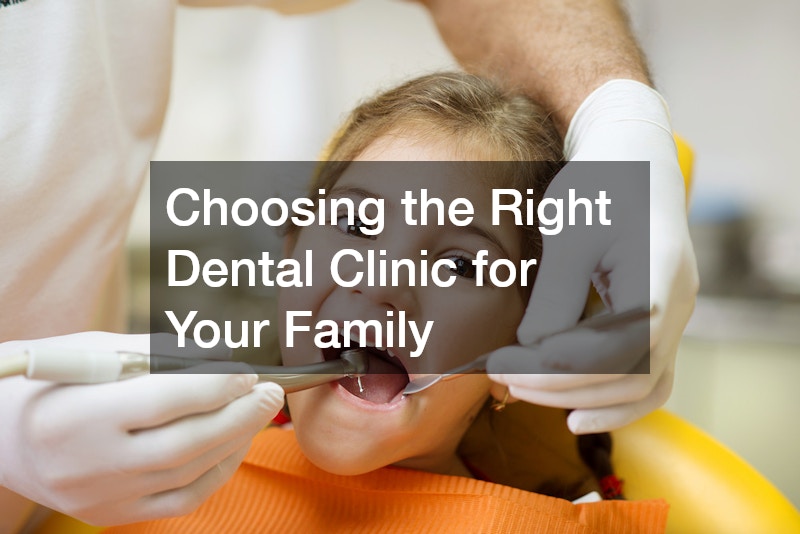
Choosing the Right Dental Clinic for Your Family
Selecting a dental clinic that fits your family’s needs is crucial for consistent oral care. Families benefit from clinics that offer flexibility, comprehensive services, and a welcoming environment.
Factors to consider when choosing a Dental Clinic
-
Location and convenience: Local dental offices can reduce travel stress, making it easier to schedule regular visits.
-
Office hours: Evening or weekend appointments can help families with busy schedules maintain regular dental care.
-
Staff expertise: Friendly and knowledgeable staff can ease anxiety for children and provide professional care for adults and seniors alike.
-
Range of services: A clinic offering both routine care and cosmetic procedures minimizes the need for multiple offices.
-
Insurance and payment options: Verify that the clinic accepts your insurance or offers flexible payment plans.
Visiting the dental clinic beforehand can help families assess comfort levels. Take note of waiting areas, hygiene practices, and how staff interact with patients of all ages. Local dental offices that cater to families often provide kid-friendly amenities, senior-friendly accommodations, and specialized dentist services for cosmetic or restorative care.
Choosing the right clinic also means considering future needs. For example, you may want a clinic capable of offering teeth whitening, routine teeth cleaning, or emergency care. Ensuring that all family members—from pre-k children to seniors—can be treated under one roof simplifies scheduling and promotes continuity of care.
Understanding Routine Teeth Cleaning for All Ages
Routine teeth cleaning is a cornerstone of preventive dental care. While brushing and flossing at home are essential, professional cleaning removes plaque and tartar that regular brushing cannot reach.
Benefits of teeth cleaning:
-
Prevents cavities and gum disease.
-
Reduces bad breath.
-
Maintains healthy gums and enamel.
-
Helps dentists detect early signs of oral issues.
Age-specific considerations:
-
Children: Early cleaning teaches proper oral hygiene and helps dentists monitor growth and development.
-
Adults: Routine cleaning helps prevent decay and stains. Adults may also seek cosmetic enhancements alongside standard cleaning.
-
Seniors: Professional cleaning can address age-related concerns like gum recession, dry mouth, and weakened enamel.
Tips to maximize teeth cleaning effectiveness:
-
Brush twice daily with fluoride toothpaste.
-
Floss daily, even for children old enough to manage it safely.
-
Rinse with an antimicrobial mouthwash if recommended.
-
Maintain regular checkups to ensure any early signs of decay or gum issues are addressed promptly.
Routine cleaning is an essential service offered by most dentists, forming the backbone of a long-term oral health plan. When paired with other dentist services like examinations and preventive care, teeth cleaning can significantly reduce the risk of costly or invasive dental procedures later.

When Cosmetic Treatments Are Worth It
Cosmetic dental procedures can enhance both appearance and confidence. While not medically necessary, treatments like teeth whitening, veneers, and bonding can complement regular dental care.
Popular cosmetic dental treatments:
-
Teeth whitening: Effective for brightening stained or discolored teeth.
-
Veneers: Thin shells applied to the front of teeth to correct imperfections.
-
Bonding: Repairs chips, cracks, or gaps in teeth.
Tips for choosing a cosmetic dental office:
-
Research credentials and patient reviews.
-
Ask about safety standards and procedure techniques.
-
Discuss expectations and potential outcomes with your dentist.
Cosmetic dental offices often work alongside local dental offices to provide a full spectrum of care. For families, it’s important to balance cosmetic enhancements with routine maintenance, such as teeth cleaning and cavity prevention. Scheduling cosmetic procedures after routine exams ensures your teeth and gums are healthy enough for elective treatments.
Many adults choose cosmetic enhancements to boost confidence before major life events, while teens may seek minor adjustments to improve smile aesthetics. Seniors can also benefit from cosmetic treatments that restore the natural appearance of teeth lost to age or decay. By consulting with a qualified cosmetic dental office, patients can make informed decisions and enjoy long-lasting, beautiful results.
Dental Care Tips for Children
Children require specialized care to ensure healthy teeth and gums as they grow. Early intervention prevents cavities, misalignment, and other oral issues that can affect long-term health.
Actionable tips for children’s dental health:
-
Regular checkups: Schedule visits with dentists every six months, even for pre-k children.
-
Fluoride use: Encourage fluoride toothpaste appropriate for your child’s age to strengthen enamel.
-
Healthy diet: Limit sugary snacks and drinks to reduce cavity risk.
-
Supervised brushing: Guide young children to brush properly and ensure they reach all surfaces.
-
Sealants: Ask dentists about protective sealants for molars prone to cavities.
Encouraging positive habits early in life helps children feel comfortable with dental care and reduces anxiety. Parents can work with child care providers to integrate dental hygiene into daily routines, reinforcing consistency outside of home. Pediatric dentists and family dentists specialize in making appointments fun and educational, incorporating visual aids, rewards, and gentle explanations.
By creating a supportive environment and maintaining consistent visits to dentists, parents can instill a sense of responsibility in children while preventing common dental issues. Starting care in the pre-k years sets the stage for a lifetime of healthy oral habits.
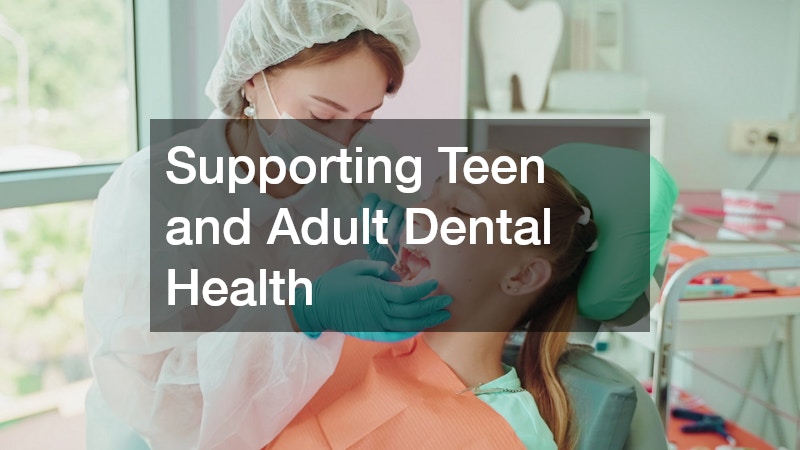
Supporting Teen and Adult Dental Health
Adolescence and adulthood bring unique challenges to oral health. Teenagers may undergo orthodontic treatments, while adults manage lifestyle-related risks like coffee stains or teeth grinding.
Practical strategies for teens and adults:
-
Braces and retainers: Maintain proper cleaning around appliances to prevent plaque buildup.
-
Routine exams: Schedule regular checkups to detect cavities, gum issues, or early signs of oral disease.
-
Professional teeth cleaning: Enhances home care and prevents plaque accumulation.
-
Healthy lifestyle habits: Reduce tobacco, sugar, and acidic foods that can damage teeth.
-
Cosmetic updates: Teeth whitening or minor adjustments can boost confidence.
Dentist services for this age group combine preventive care with cosmetic and restorative options. Adults should seek dental advice for any sensitivity, persistent staining, or jaw discomfort. Additionally, education on proper brushing and flossing techniques is key, especially for those with braces or dental appliances.
For busy adults, scheduling family appointments alongside children or seniors can optimize time and ensure that everyone maintains consistent care. Collaboration between dentists, hygienists, and patients is essential for long-term oral health.
Specialized Care for Seniors
Seniors often face distinct oral health challenges, including gum disease, tooth loss, and dry mouth. Proper care can prevent discomfort and preserve the functionality of teeth.
Essential tips for senior dental care:
-
Regular checkups: Frequent visits help detect early signs of decay or oral disease.
-
Professional cleaning: Removes plaque and tartar that accumulate with age.
-
Proper dentures or implants: Ensure proper fit and comfort.
-
Moisturizing mouth rinses: Combat dry mouth, which is common in older adults.
-
Support from caregivers: Family members or local senior care staff can help maintain oral hygiene routines.
Local senior care programs often coordinate with dentists to ensure seniors receive timely and appropriate treatments. By integrating dental visits into broader health care routines, seniors can maintain both oral and overall health.
Dentists working with older adults focus on preventive care, comfort, and functional outcomes. This may include restorative services, teeth cleaning, or cosmetic adjustments to improve quality of life. Educating seniors on proper brushing techniques and providing reminders for home care reinforces consistency and supports long-term oral health.
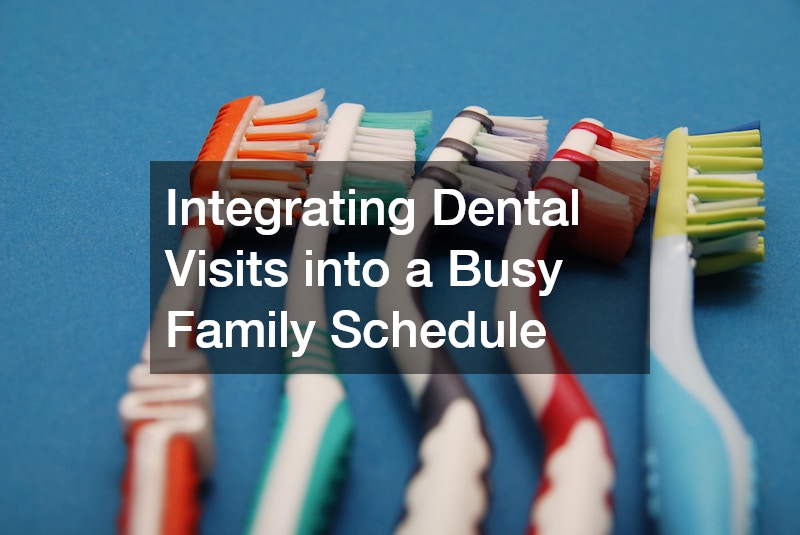
Integrating Dental Visits into a Busy Family Schedule
Coordinating dental care for multiple family members can be challenging. Planning ahead reduces missed appointments and ensures consistent care.
Time-saving strategies:
-
Family appointment blocks: Schedule multiple family members on the same day.
-
Digital reminders: Use apps or calendars to track visits and treatment schedules.
-
Flexible offices: Choose clinics with evening or weekend hours to accommodate work and school commitments.
-
Plan in advance: Book routine visits six months ahead to secure preferred slots.
Integrating dentist services into your schedule also means anticipating each family member’s specific needs. Children may require pre-k checkups and sealants, adults may schedule cosmetic treatments, and seniors may need specialized care visits coordinated with caregivers. By creating a clear plan and maintaining communication with your dental clinic, you can minimize disruptions and ensure everyone stays on track.
Additionally, proper home care routines can complement clinic visits. Encourage family members to brush, floss, and rinse daily to reduce the frequency of emergency visits and maintain overall oral health.
Choosing the Right Tools and Products for Home Care
Even the best dentist services are most effective when paired with proper home care. Choosing the right tools ensures that family members maintain oral health between appointments.
Recommended tools and products:
-
Toothbrushes: Age-appropriate brushes for children and adults; electric brushes can improve cleaning efficiency.
-
Floss: Regular floss for adults; floss picks or supervised flossing for children.
-
Mouth rinses: Antimicrobial or fluoride rinses as advised by your dentist.
-
Whitening products: Use only dentist-approved teeth whitening treatments for safety.
Tips for consistent home care:
-
Establish a routine that aligns with school, work, or bedtime schedules.
-
Demonstrate proper brushing and flossing techniques for children and seniors.
-
Keep a backup kit in school or work bags to encourage brushing after meals.
Dentists can recommend products based on age, dental conditions, and cosmetic goals. For example, a cosmetic dental office may provide professional-grade whitening options, while routine dentist services focus on cavity prevention and plaque control. Combining professional guidance with effective home care maximizes the benefits of regular visits and reduces long-term dental complications.
Maintaining a Lifetime of Healthy Smiles
Lifelong oral health is achievable when families combine professional dental services with consistent home care. By establishing routines early, attending regular appointments, and addressing concerns proactively, every family member can maintain a healthy, confident smile.
Key strategies:
-
Prioritize regular checkups for children, adults, and seniors.
-
Integrate professional teeth cleaning and cosmetic treatments when appropriate.
-
Maintain consistent brushing, flossing, and oral hygiene habits at home.
-
Educate all family members on the importance of oral health.
Cosmetic dental offices and local dental offices complement these efforts by offering specialized services such as teeth whitening, restorative treatments, and preventive care. With proactive planning, your family can reduce dental anxiety, prevent major oral health issues, and enjoy the confidence that comes with a healthy smile.
Conclusion
Maintaining dental health across the lifespan requires planning, consistency, and a proactive approach. From pre-k children experiencing their first dental visits to seniors managing age-related concerns, each stage of life brings unique challenges and opportunities for care.
By implementing the tips outlined in this guide, families can foster positive habits, ensure regular checkups, and address oral health issues before they become serious. Preparing children for their first visits, choosing the right dental clinic, integrating teeth cleaning routines, and supporting seniors are all actionable steps that contribute to long-term oral wellness.
Ultimately, a well-rounded approach to dental care benefits not only the mouth but overall health, self-confidence, and quality of life. Encouraging open communication, scheduling appointments efficiently, and combining professional services with home care ensures that every family member—from the youngest pre-k child to the oldest senior—enjoys a lifetime of healthy, confident smiles.